

UNDERSTANDING VIOLENCE
What is Gender-Based Violence?
Understanding gender-based violence, the forms it can take, and the role of power, control and inequality.
DEFINITION
Gender-Based Violence
Gender-based violence (GBV) is one of the most widespread violations of human rights worldwide. It refers to violence directed against a person because of their sex, gender, gender identity, gender expression, or perceived gender. Although anyone can experience gender-based violence, women and girls are disproportionately affected due to persistent structural inequalities, discriminatory social norms, and unequal power relations.
FORMS OF VIOLENCE
Gender Based Violence takes many forms
Violence is not limited to physical assault. It may include one or more of the following forms.
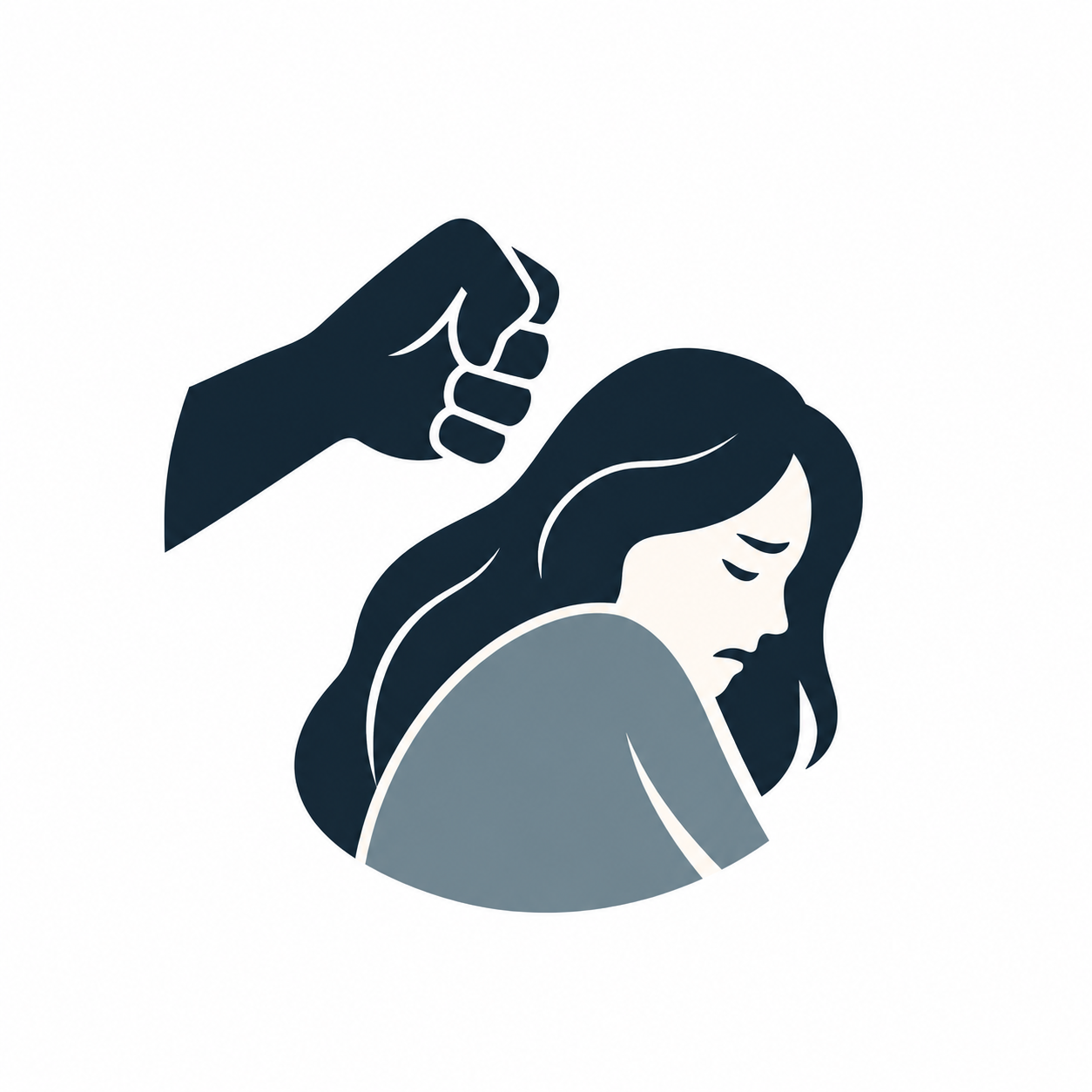
Physical Violence
The use of physical force that causes, or may cause, injury, pain or harm. It can include hitting, pushing, kicking, restraining, choking or the use of objects or weapons.
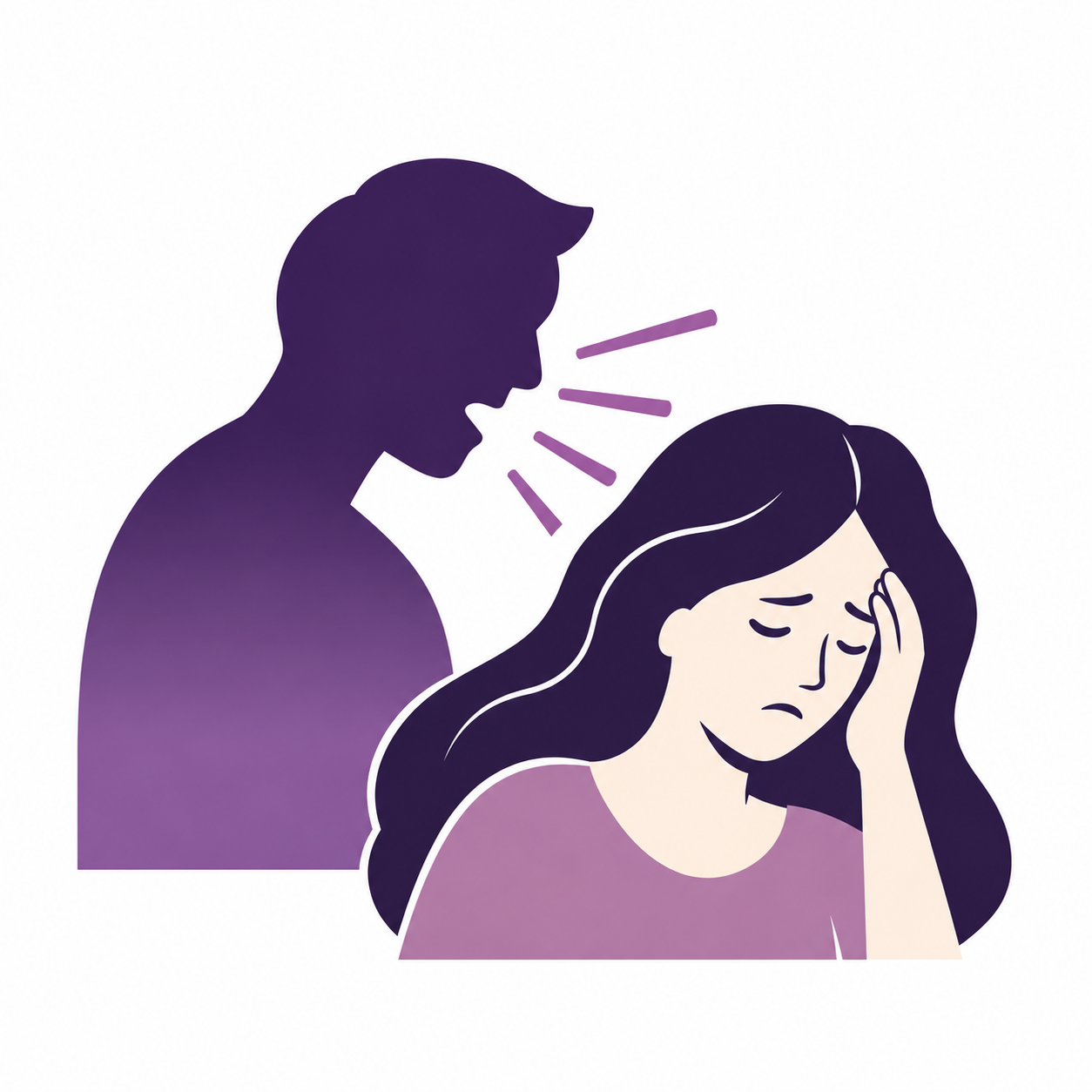
Psychological and Emotional Violence
Behaviour that causes emotional or psychological harm through intimidation, humiliation, threats, manipulation or persistent criticism. It may undermine a person’s confidence, independence and sense of safety.
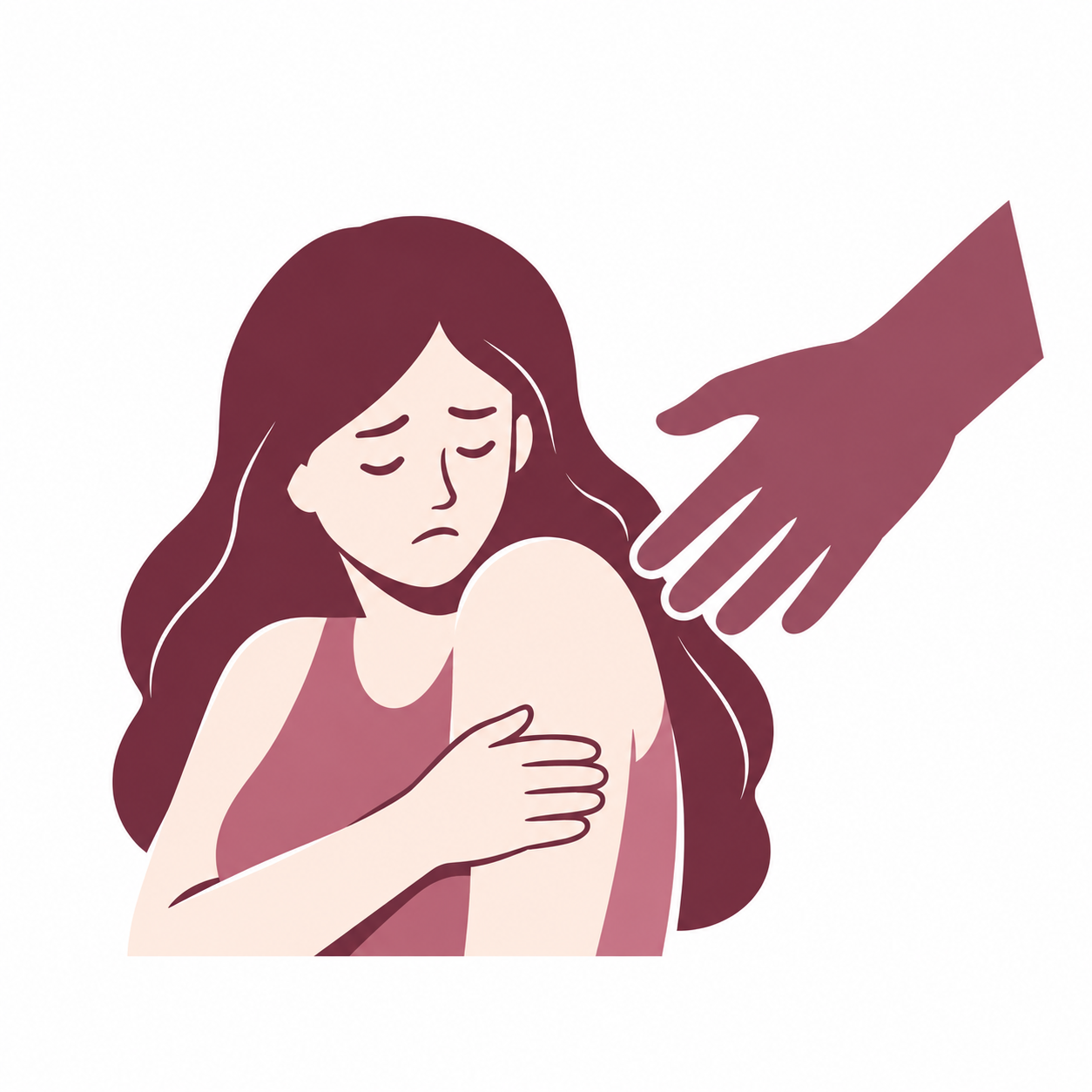
Sexual Violence
Any sexual act, contact or behaviour that takes place without freely given consent. It may include unwanted sexual touching, sexual assault, rape, sexual coercion or other forms of sexual exploitation.
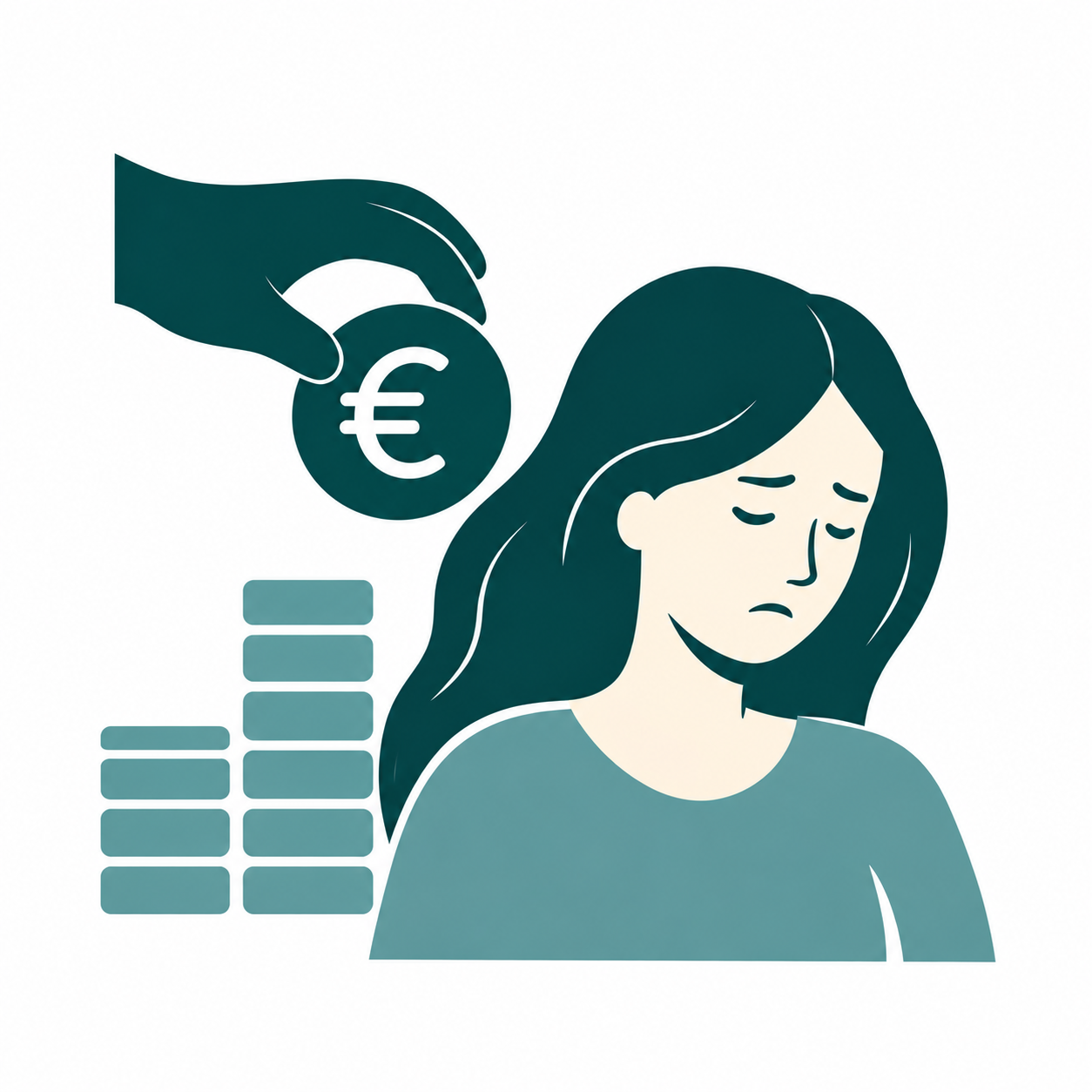
Economic Violence
The use of money or financial resources to control another person. It may include restricting access to money, preventing someone from working, taking their income, creating debt in their name or controlling essential financial decisions.
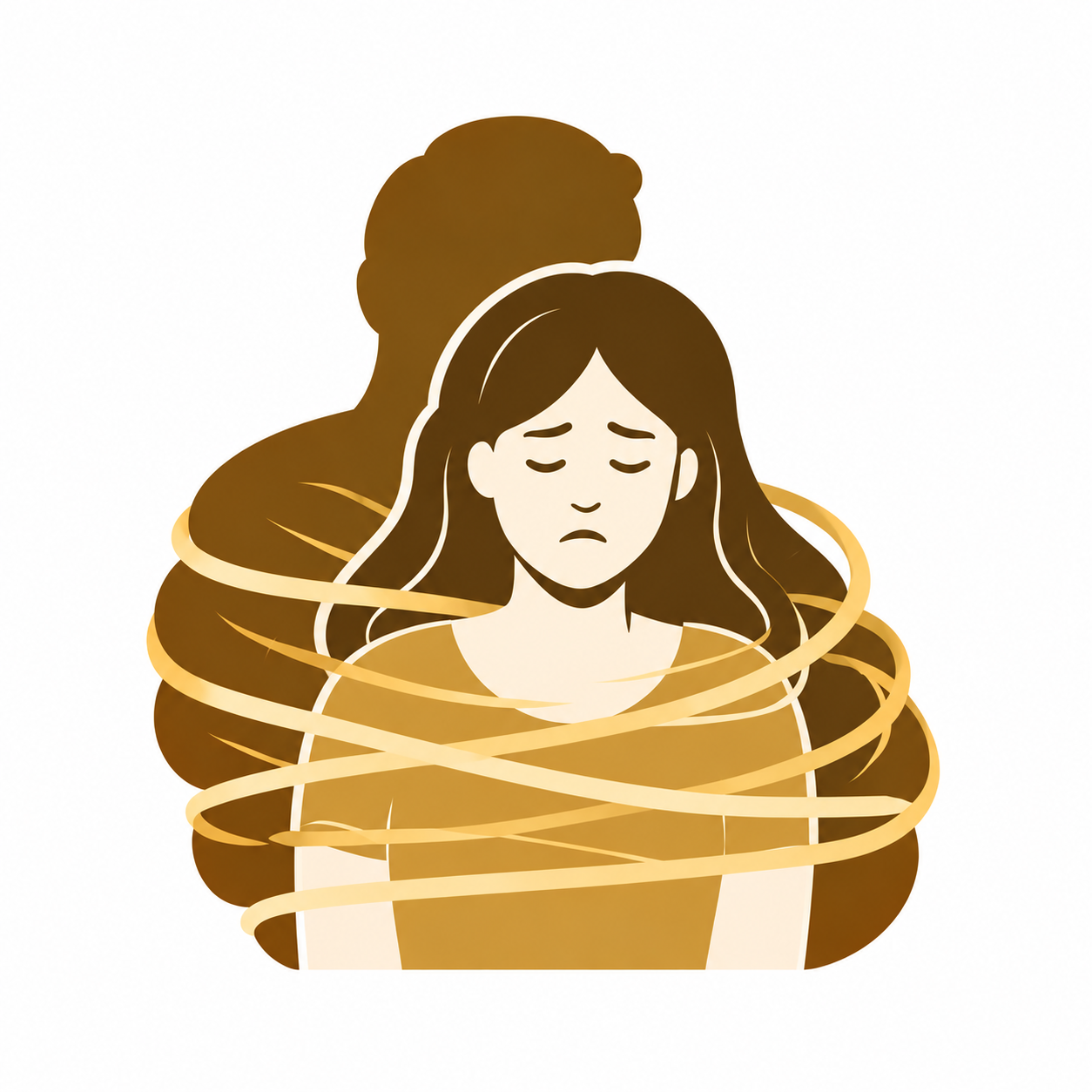
Coercive Control
A pattern of controlling behaviour used to restrict another person’s freedom and independence. It may include isolation, monitoring, intimidation, controlling everyday activities, setting rules or restricting contact with family and friends.
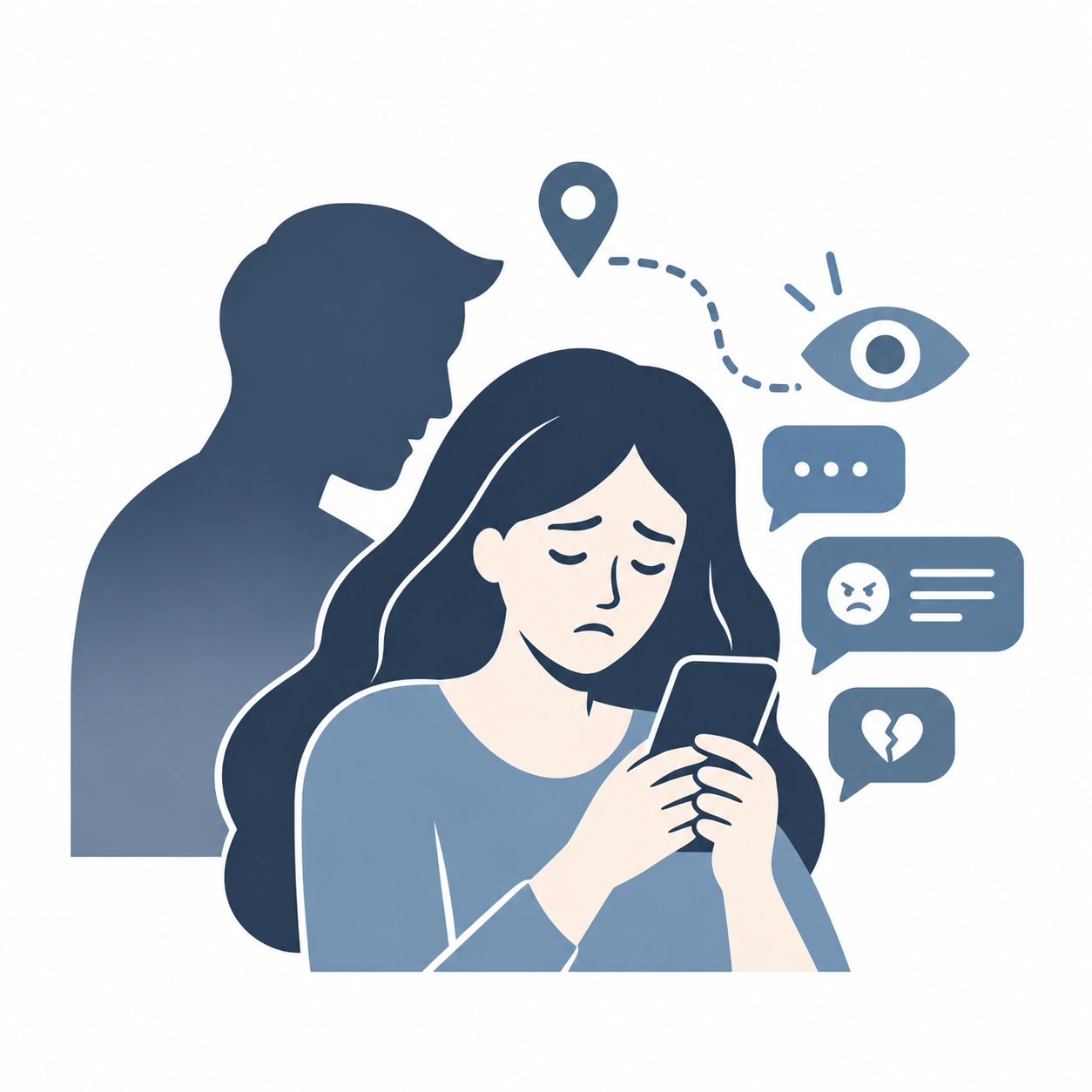
Digital Violence
The use of technology to harass, monitor, threaten or control another person. It may include tracking someone’s location, accessing accounts or devices, repeated unwanted contact, sharing private material or using digital platforms to intimidate or humiliate.






The Reality in Europe & Greece

In the European Union
1 in 3
1 in 6
1 in 3
women have experienced physical violence, threats and/or sexual violence during her lifetime.
women have experienced sexual violence during adulthood
women have experienced sexual harassment at work
In Greece
1 in 3
women have experienced sexual violence during adulthood
1 in 3
women have experienced sexual violence during adulthood